
K
klima
Frischling
Themenstarter
- Dabei seit
- 26.08.2026
- Beiträge
- 9
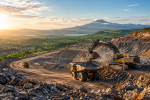 While gold, graphite, and tanzanite have historically dominated headlines, Tanzania's nickel and rare earth mineral potential is drawing increasing attention from global investors seeking to diversify critical mineral supply chains away from traditional producers. The Kabanga nickel deposit, among the largest undeveloped nickel sulfide resources in the world, exemplifies this shift, with renewed development activity aimed at supplying battery manufacturers amid surging electric vehicle demand.
Rare earth exploration is following a similar trajectory, with several projects in early-to-mid stage development targeting deposits that could support magnet and electronics manufacturing supply chains. Given the geopolitical importance of reducing dependence on a small number of countries for these strategic minerals, Tanzania's emerging position has attracted interest from investors and governments alike seeking alternative sourcing options.
Developing this sector responsibly will require substantial investment in processing infrastructure, power generation, and transport logistics, since raw ore extraction alone captures only a fraction of potential economic value. Policymakers have signaled intent to encourage local beneficiation rather than simply exporting concentrate.
Investors and analysts tracking these developments should follow specialized Tanzania mining news reporting, which covers project financing milestones, offtake negotiations, and government policy toward strategic minerals as this sector matures.
Given global demand trends, nickel and rare earths could become as significant to Tanzania's mining economy as gold and graphite within the next decade.


